

The Essential Role of Folate in Blood Formation and Health
Most people overlook how crucial folate is for blood formation, even though it shapes the health of your blood cells every day. If you’ve struggled with anemia or want better nutritional support for blood health, understanding folate benefits can change everything. This guide will reveal why Vitamin B9 deserves a spot in your diet and how it plays a vital role in pregnancy and beyond. Learn more about folate from NIH.

Importance of Folate
Folate, also known as Vitamin B9, plays a crucial role in maintaining your health, particularly when it comes to your blood. This essential nutrient offers numerous benefits that you shouldn't ignore. Let's dive into how folate supports your body, especially if you're expecting or dealing with anemia.
Folate Benefits for Health
Folate is a powerhouse for your overall health. It helps produce DNA and RNA, the building blocks of your cells. Imagine your body like a construction site, and folate as the essential material needed for building strong structures. Without it, your body can't repair or create new cells efficiently.
Cell Growth and Repair: Folate is vital for the growth and repair of every cell in your body.
Heart Health: It aids in breaking down homocysteine, an amino acid linked to heart disease.
Brain Function: Folate supports brain health, reducing the risk of cognitive decline.
By including folate in your diet, you're not just supporting your blood; you're encouraging overall wellness. Interested in more ways folate impacts health? Explore more here.
Role of Folate in Pregnancy
Pregnancy increases your body's need for folate. This vitamin is essential for fetal development, playing a significant role in forming the neural tube, which becomes the baby's brain and spinal cord. Ensuring adequate folate intake can prevent birth defects.
Neural Tube Defects: Folate reduces the risk of defects affecting the brain and spine.
Healthy Growth: It supports the placenta and helps form new DNA and cells.
Expecting mothers should prioritize folate to foster a healthy pregnancy. This small change can make a big difference. Discover more about folate's role in pregnancy here.

Folate and Anemia
If you're dealing with anemia, folate might be your unsung hero. This nutrient helps produce healthy red blood cells, crucial for carrying oxygen throughout your body.
Red Blood Cell Production: Folate deficiency can lead to fewer red blood cells, causing fatigue and weakness.
Oxygen Transport: More red blood cells mean better oxygen delivery to your organs.
Understanding folate's impact on anemia can empower you to manage your health better. To see how folate works in your body, check out this medical illustration.
Blood Formation Essentials
Folate is more than just a vitamin; it's a key player in the creation of healthy blood cells. Let's explore how Vitamin B9 supports your blood and overall health.
Vitamin B9 and Healthy Blood Cells
Folate helps produce and maintain new cells, including red blood cells. Imagine your body as a factory where red blood cells are manufactured. Without enough folate, production slows down, affecting your body's efficiency.
DNA Synthesis: Folate is crucial for DNA synthesis, essential for new cell formation.
Cell Division: It supports cell division, critical for blood cell production.
By ensuring you have enough folate, you're supporting the fundamental processes that keep your blood healthy and functioning.
Nutritional Support for Blood Health
Your blood health relies on a steady supply of nutrients, with folate playing a leading role. Here's how you can bolster your nutrition to support your blood.
-
Balanced Diet: Incorporate leafy greens, citrus fruits, and legumes, which are rich in folate.
-
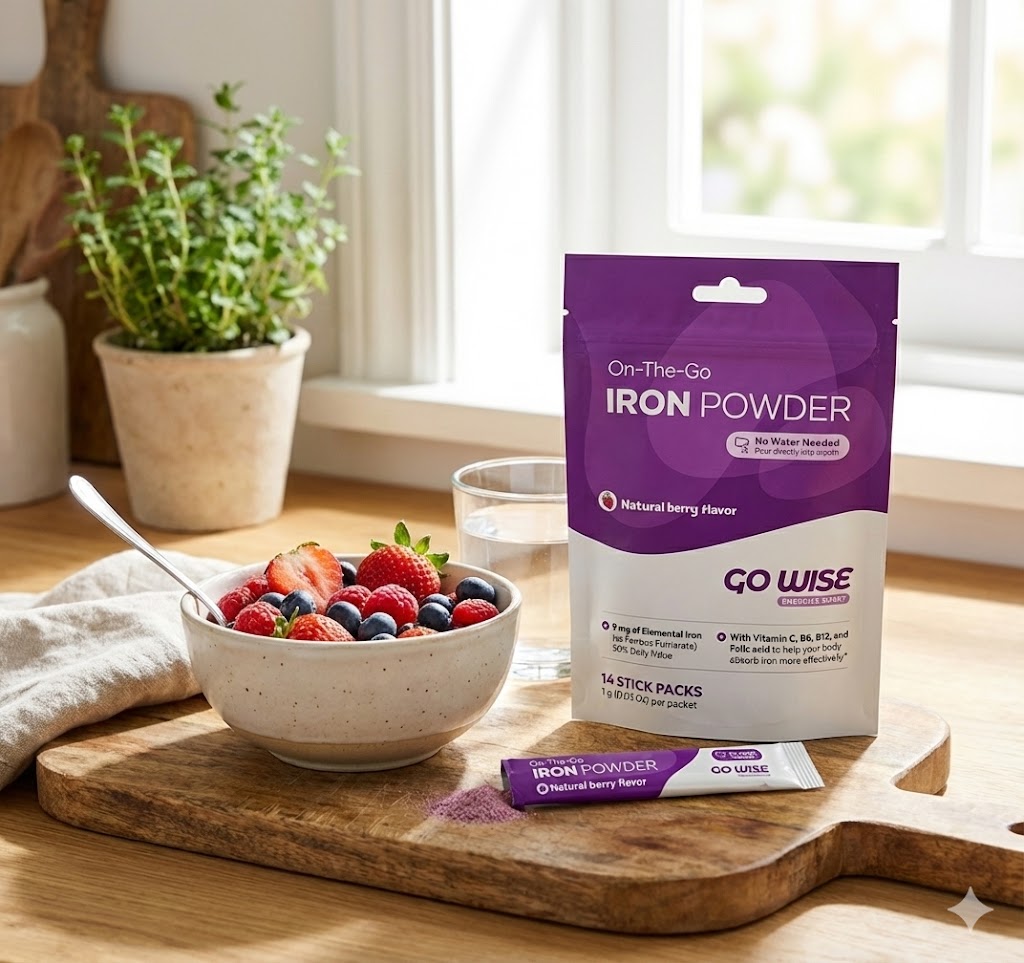
Supplementation: Consider supplements if your diet lacks sufficient folate.
A steady intake of folate ensures your blood cells are healthy and your body functions at its best. Learn how to incorporate more folate into your diet.
Sources and Supplementation
Now that you understand folate's importance, where can you find it? Let's look at food sources and supplementation options to keep your folate levels optimal.
Foods High in Folate
Nature provides us with an abundance of folate-rich foods. Including these in your diet can boost your health effortlessly.
Leafy Greens: Spinach, kale, and broccoli are excellent sources.
Fruits: Oranges, lemons, and bananas offer a folate boost.
Legumes: Lentils, peas, and beans pack a folate punch.
Incorporating these foods into your meals ensures you're getting the folate your body needs naturally.
Folate Supplementation Options
Sometimes, your diet might not provide enough folate, especially during pregnancy or if you have specific health needs. Supplements can fill this gap.
Pills and Tablets: Widely available and easy to incorporate into your daily routine.
Fortified Foods: Look for cereals and breads enriched with folic acid.
Liquid Supplements: Ideal for those who prefer a no-pill option.
Choosing the right supplementation ensures you stay on top of your folate intake, supporting your overall health and wellness.
Folate is a vital nutrient that plays a pivotal role in your health. By understanding its importance and incorporating adequate sources into your life, you're taking a significant step toward improved well-being.
